 Summer School — Faculty of Architecture & the Built Environment
Planning and Design
for the Just City
Two weeks every July in Delft. One hundred students from around the world. One planning and design proposition for a just city.
The Summer School Planning and Design for the Just City combines spatial planning, urban design, and environmental technology to address questions of spatial justice, sustainability, and climate adaptation. Participants work with real urban challenges in Delft and the wider Randstad — one of the most densely urbanised and water-managed delta regions in the world — developing a spatial vision, a planning strategy, and concrete design interventions through studio work, site visits, and encounters with practitioners, communities, and academics from the Netherlands and beyond.
The programme is grounded in the theory and practice of spatial justice: not just how cities should grow, but for whom — and how planning can advance equity, democratic participation, and the recognition of diverse urban lives. Students leave Delft with a spatial proposition and an analytical framework they can apply to any city in the world.
 An initiative of the Centre for the Just City, Department of Urbanism, Faculty of Architecture and the Built Environment, TU Delft.
just-city.org →
An initiative of the Centre for the Just City, Department of Urbanism, Faculty of Architecture and the Built Environment, TU Delft.
just-city.org →
Three Interlocking Scales of Work
Begin with analysis: map who the city serves and who it excludes. Develop a diagnostic reading of the urban condition — the spatial patterns, governance structures, and historical processes that have produced injustice. This becomes the evidence base for everything that follows.
Translate analysis into a planning strategy. At what scale does change need to happen? Through which instruments — zoning reform, public space investment, institutional restructuring? Over what timeframe? Work with and against the existing institutional landscape to identify leverage points.
Design specific, accountable spatial interventions that respond to your strategy. These are not illustrations of a concept but concrete propositions — evaluated against criteria of equity, participation, and sustainability — that could credibly be presented to a planning authority or community organisation.
What is the Just City for You?
Participants from Summer School editions past answer the question that shapes two weeks of work.
How the Two Weeks Are Structured
Below is the preliminary 2026 programme. The structure varies slightly year to year, but this gives you the rhythm, scope, and intensity of the Summer School — from morning lectures and site visits to afternoon studio sessions and the final proposition review.
Contact summerschool-bk@tudelft.nl if you have questions about the programme content, workload, or what to prepare before arrival.

See the Programme in Action
The 2022 report documents a full edition of the Summer School from start to finish: the diagnostic fieldwork, the studio sessions, the guest lectures, and the final spatial propositions presented to Delft stakeholders. It is the most complete record of what the programme produces and how it works. Read it before you apply — it will tell you more than any course description can.
Read the 2022 Report ↗
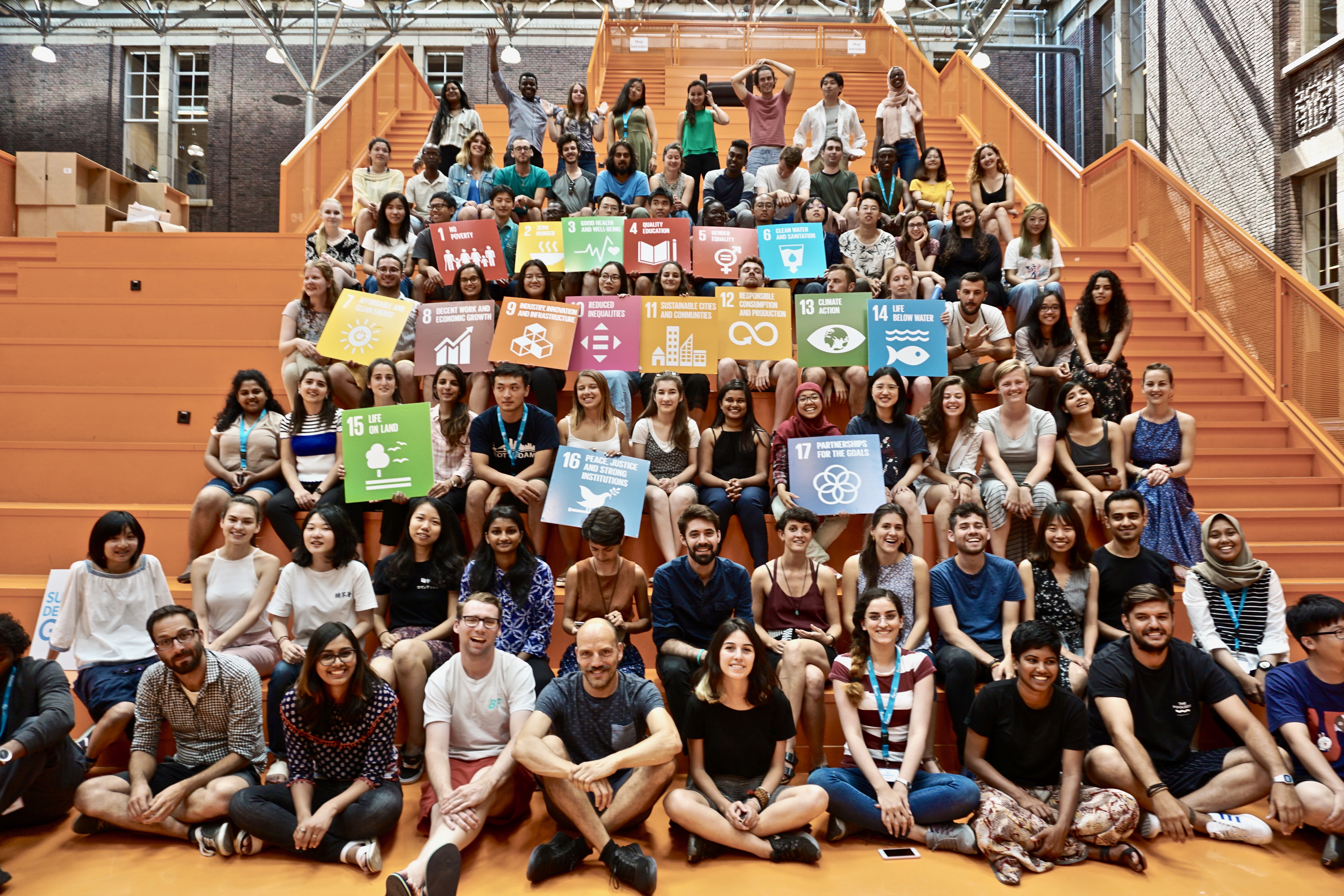
The Summer School contributes to Sustainable Development Goals 4, 11, and 13. SDG 11 — making cities and human settlements inclusive, safe, resilient, and sustainable — is the programme’s primary frame. We hold that genuinely addressing SDG 11 requires confronting the spatial dimensions of inequality, governance, and recognition that all other goals depend on. The programme also engages with the New Urban Agenda (UN-Habitat, 2016) and the European Green Deal as overarching frameworks for sustainable urbanisation. It is aligned with the mission of the Centre for the Just City, whose research agenda links spatial justice theory to the practice of planning, design, and governance.
We are exploring the mutually reinforcing relationship between urbanisation and development through the lens of spatial justice.
Summer School Planning and Design for the Just City — TU DelftQuestions about the programme, fees, or the application process? Write to summerschool-bk@tudelft.nl and mention “Summer School Delft”. We respond to all enquiries.
See how to apply →