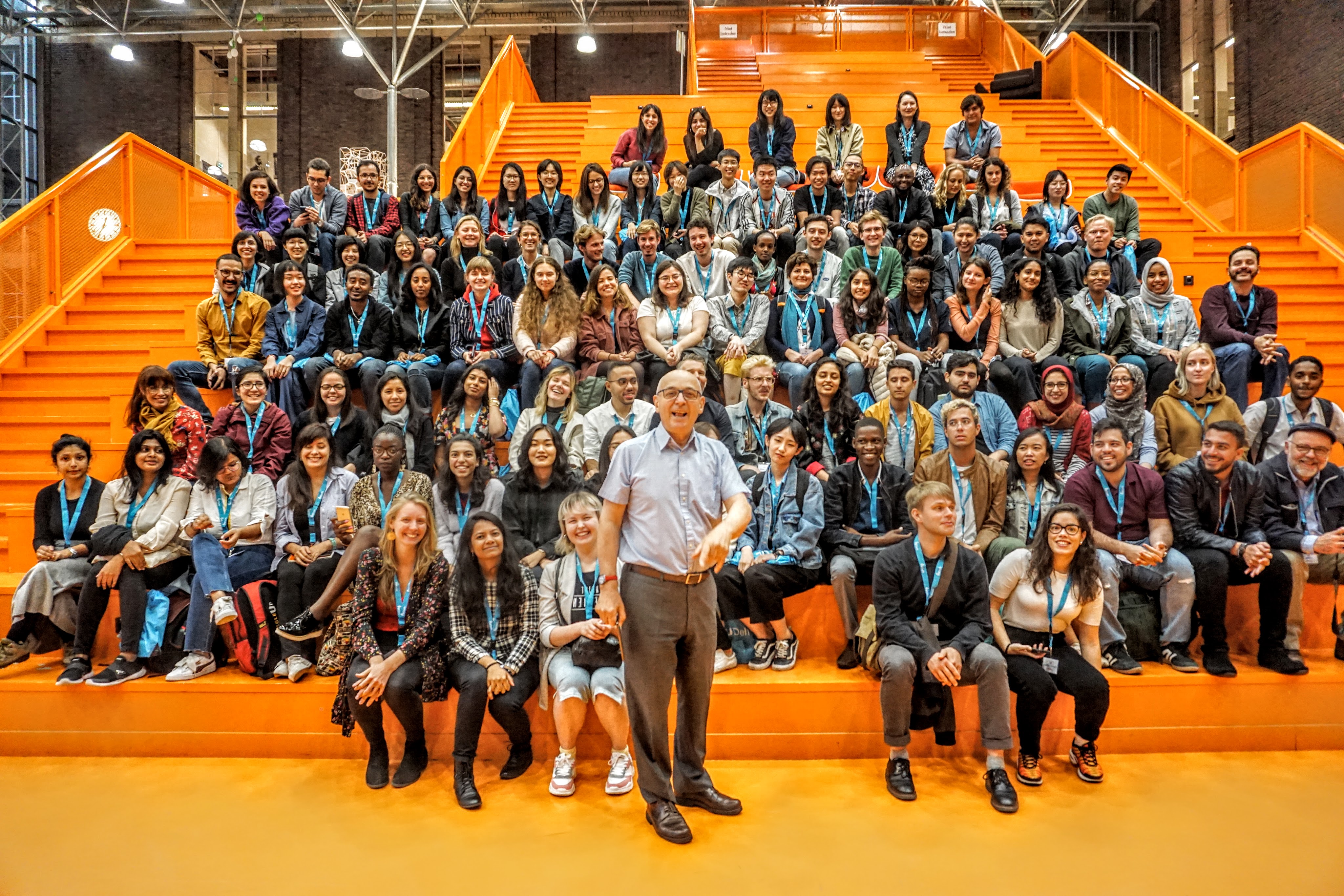
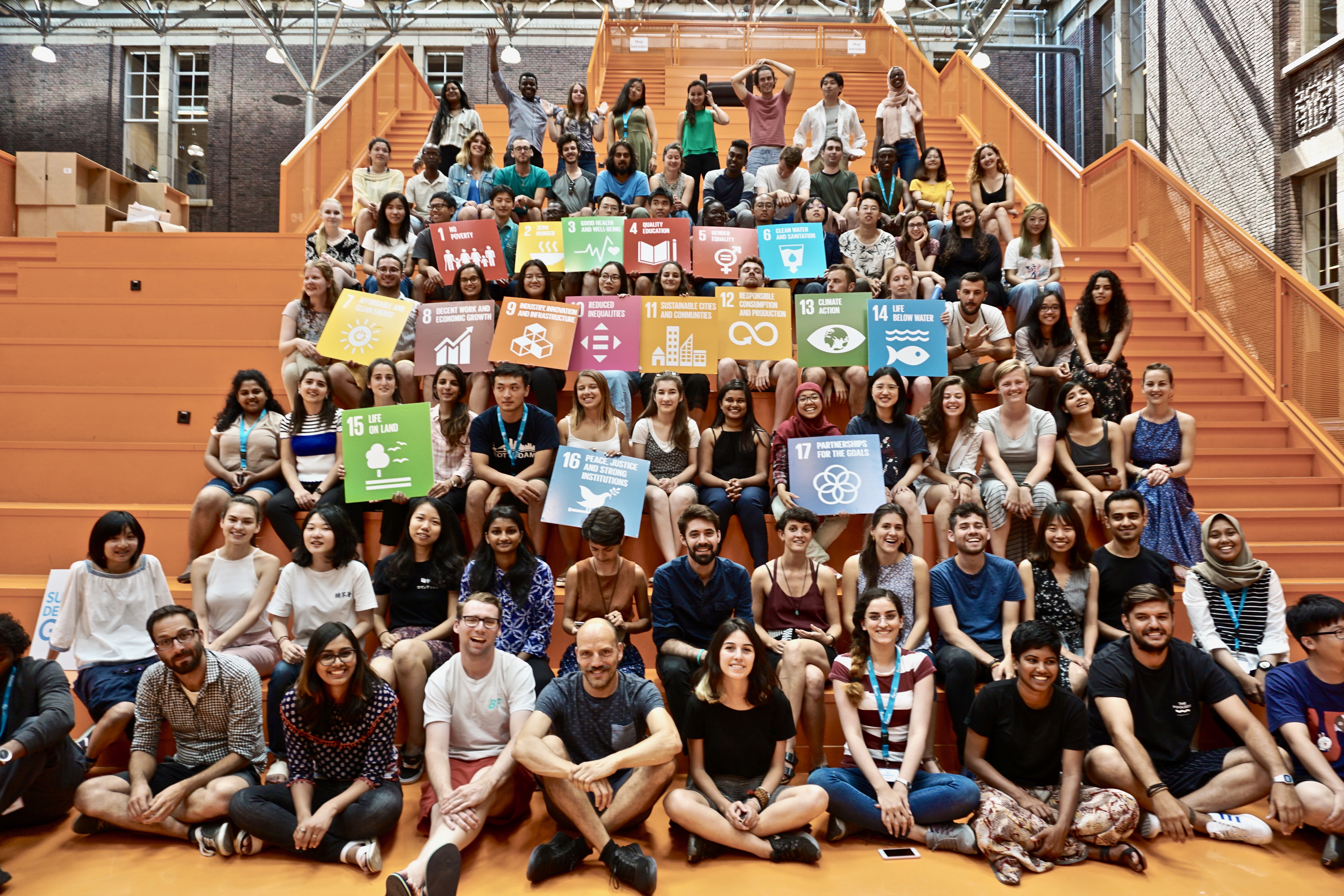
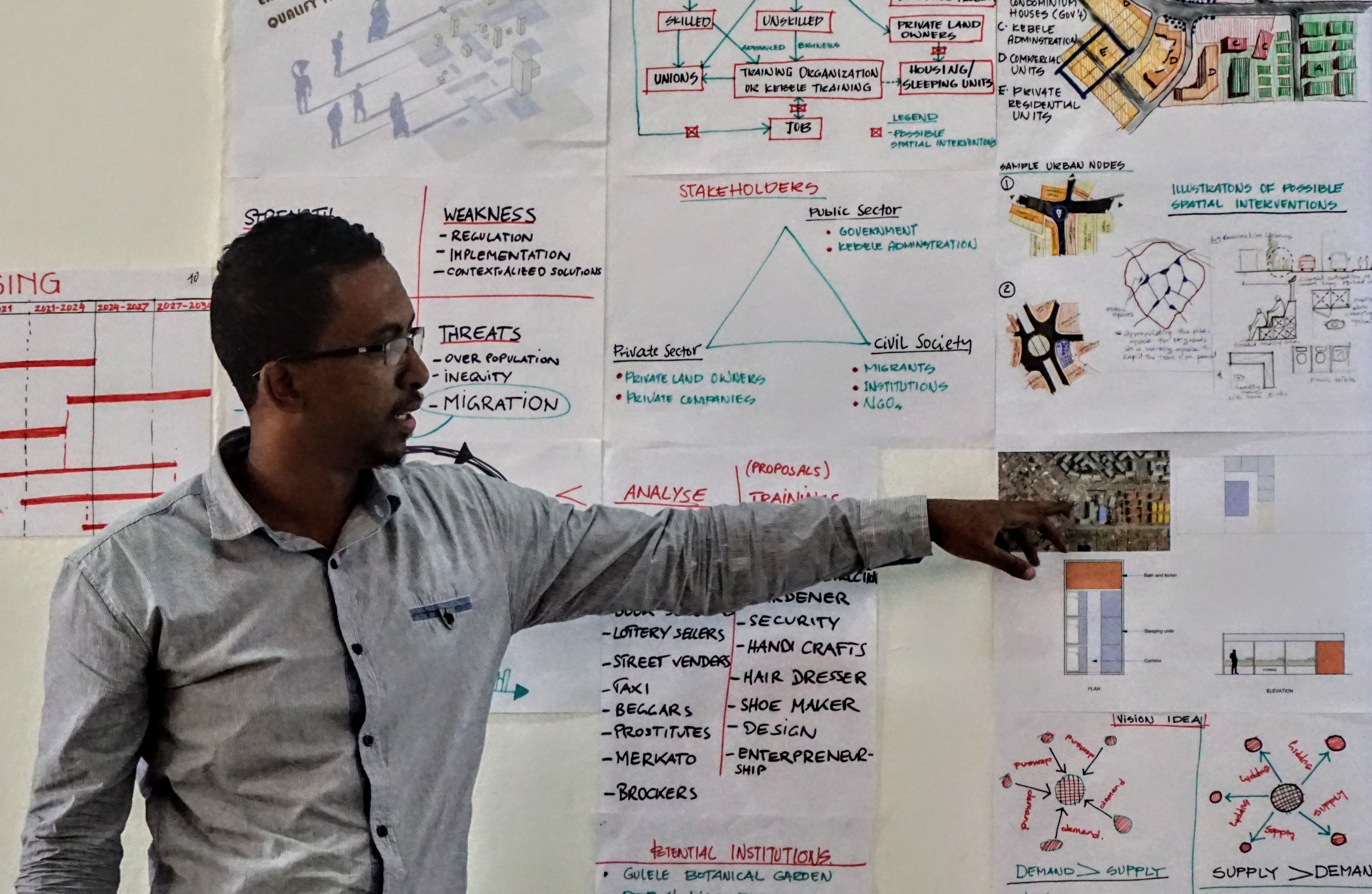
Delft Global and the department of Urbanism invite young African teachers, researchers, and public servants to apply for this special scholarship.
This scholarship is intended for young (younger than 35 y.o.) African teachers who wish to attend the Summer School Planning and Design with Water, organised yearly by the Department of Urbanism of the Faculty of Architecture and the Built Environment of the TU Delft.
This scholarship is relevant because the Summer School offers training in three crucial elements for African urbanisation:
- Spatial planning and urban design of resilient sustainable cities, with an introduction to the Dutch style of plan-making and water management
- Spatial Justice
- Innovative, interactive and practical education, with a good overview of methods and teaching styles at TU Delft
The decision to recruit a young teacher has to do with her/his capacity to act as a multiplier of knowledge acquired at the Summer School in her/his institution in Africa. We emphasise opportunities for young female African teachers.
This scholarship also offers the opportunity to create more links with African higher education institutions for future research and educational partnerships.
ELIGIBILITY
Candidates must
- Be 35 years old or younger by December of the year of application.
- Be affiliated to a higher education or research institution, or to a local or national government. This scholarship is for young teachers or civil servants working with urban or regional planning.
- Be able to provide proof of affiliation (letter confirming you are affiliated to an institution or local government, signed and stamped).
- Be able to speak fluent English.
- Be able to teach the principles learned at the Summer School at their institutions of origin (they must have a teaching or instructor position).
- Be a teacher or civil servant in one of the following areas: Architecture, Urban design, Spatial planning (town, urban and regional planning), Environmental engineering, Water engineering, Urban law and management, Political sciences, Public administration, Areas that have a close relationship with planning and design of sustainable cities and communities
APPLICATION STEP BY STEP
- Please read the conditions for this scholarship before applying, and make sure you are eligible.
- Write an 800-word motivation letter explaining your ideas and how you can benefit from the Summer School. This is a PERSONAL letter, so you should avoid using clichés and sentences that you find on model motivation letters. We are interested in you as a person and as a teacher.
- Prepare a two-page CV with your academic and professional information. Don’t forget to explain your activities as a teacher/ instructor, researcher or civil servant.
- Add a LETTER from another senior teacher or senior public servant from your institution confirming that you are affiliated and what is your role in the institution. This letter must be signed.
- Prepare a three-minute VIDEO explaining who you are, what are your activities and how you think the Summer School can benefit you.
- PLEASE NOTE THAT WE ARE NOT GOING TO ANALYSE YOUR DESIGN PORTFOLIO
- Fill in the application form below.
DUTIES
Candidates must
- Be present at ALL sessions of the Summer School and take part of the school actively, participating in one of the groups
- Be able to write a text of approximately 1000-words on the insights of the Summer School for their own national conditions
- Be able to write a short 1000-word text explaining their impressions and findings in the Summer School
- Be able to deliver a short 15-minute lecture explaining the challenges of urbanisation in their country of origin (alternatively, and in agreement with the organisation of the Summer School, candidates can talk about their current research endeavours or professional practice)
BENEFITS
The recipients of the scholarship will have the following benefits:
- Ticket from and to your country of residence
- Accommodation during the summer school
- Meals and transportation allowance
The scholarship covers costs up to 2000 euros. Candidates may choose to spend more or less on each item. If there is excess spending, the candidate will cover the rest of the amount. TU Delft is not responsible for financing a candidate beyond 2000 euros.
Upon completion of the programme, candidates will receive a certificate of their participation in the Summer School.
Scholarship sponsored by:

TESTIMONIAL
Njabulo Ngcobo, School of Built Environment of the University of Kwazulu-Natal, South Africa
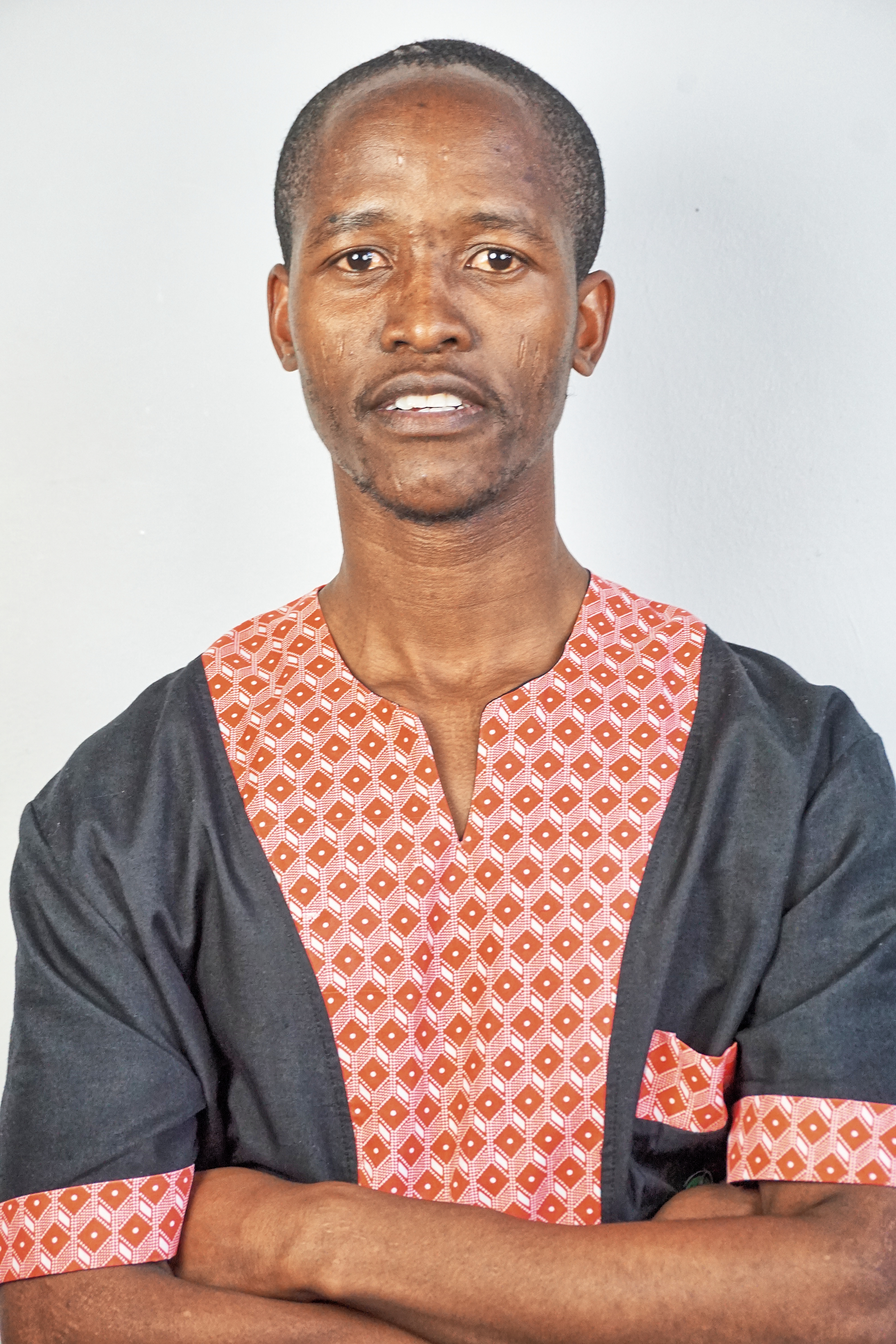
My general impression of the 2018 TU Delft summer school on “Planning and Design with Water for Sustainability” is that it was a well-organized and it was a successful project. The summer school in TU Delft offered a conducive environment for the participants from 40 countries to share knowledge and apply the Dutch perspective (i.e. polder model) where relevant. There were also other examples and lessons shared by students, lecturers and guest speakers from different countries. Coming to the Netherlands for the summer school was also a unique chance for me to meet new friends and also to explore models of European urbanism and way of life.
The summer school also comprised site visits and excursions to Schevenengen, The Hague Municipality, and Rotterdam. This was very exciting as we got a chance to know more about Dutch history and culture. For instance, the opportunity to interact with the ordinary citizens at a grassroots level and also to observe water projects, among other things.
Regarding the quality of the presentations by the students, my general impression was that students were well prepared and they had sound ideas, highly creative, hands on, generally exceeding expectations. My general impression towards students is that they learned how to work in teams. Working with multidisciplinary teams (and sometimes with clashing ideas and cultures) was one of the things I hoped for.
I would like to emphasize getting your ideas and opinion in a respectful, humble, and creative manner when trying to forge understanding in groups consisting of multi- cultural and multidisciplinary environment.
From all the presentations in the summer school by the Lecturers and guest speakers, I also noted the following focus areas which are highly important to my career and direction in life:
- Scenario planning catering for uncertainty
- Multifunctional infrastructures (hard, soft, and green- blue)
- Interconnected ecological places, good governance, and people-centred planning
Finally, I would like to thank everyone for humbleness and excellent support during the 2018 “Planning and Design with Water summer school”, TU Delft in the Netherlands. I wholeheartedly recommend this summer school to young built environment (and related fields) professionals in Africa and the world.
Njabulo Ngcobo, School of Built Environment of the University of Kwazulu-Natal, South Africa
This scholarship was sponsored by The Delft Global Initiative
 TU Delft Planning and Design for the Just City